
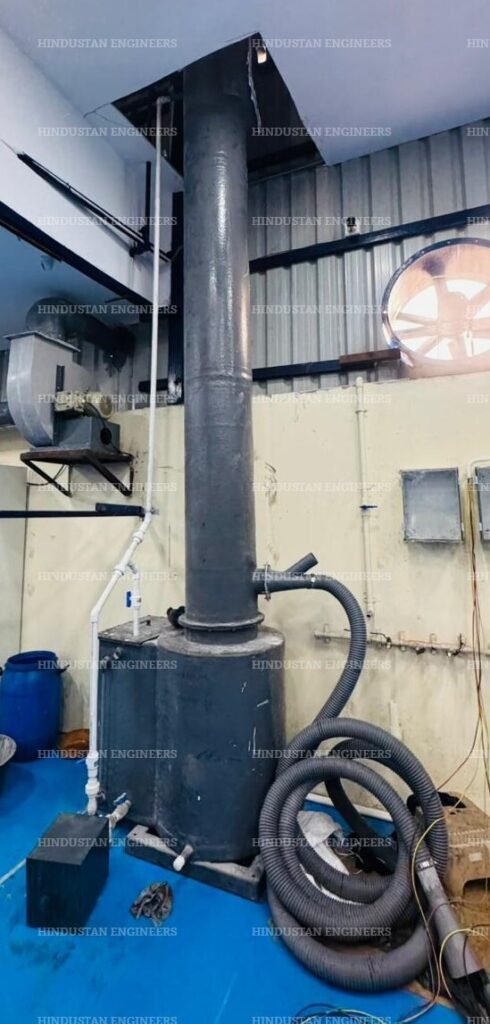
A PP scrubber, also known as a polypropylene scrubber, refers to a type of wet scrubber that utilizes polypropylene as the main material for its construction. Wet scrubbers are air pollution control devices that remove pollutants from industrial exhaust gases by utilizing a liquid (usually water) to neutralize, absorb, or entrain the pollutants. When referring to a PP scrubber specifically, it means that the scrubber’s critical components, such as the scrubber tower, packing material, or mist eliminator, are made of polypropylene. Polypropylene is a thermoplastic polymer that offers several advantages for wet scrubber applications, such as excellent chemical resistance, durability, and low cost. PP scrubbers are commonly used in various industries, including chemical manufacturing, metal processing, pharmaceuticals, and wastewater treatment, to control the emissions of hazardous gases, particulate matter, or volatile organic compounds (VOCs) from industrial processes. Some specific applications of PP scrubbers may include controlling acid gas emissions, removing toxic or corrosive fumes, or capturing particulate matter.
Wet scrubber systems are commonly used in various industrial processes, such as chemical production, metal smelting, oil refining, and power generation, where there is a need to control emissions of sulfur oxides, nitrogen oxides, particulates, volatile organic compounds (VOCs), and other pollutants.
They are often employed to comply with environmental regulations and air quality standards, as well as to protect worker health and safety.
Advantages:
Effective removal of both gaseous and particulate pollutants from gas streams.
Can handle high-temperature gas streams and a wide range of pollutants.
Versatile and customizable to meet specific pollutant removal requirements.
Can be designed for use with corrosive gases and harsh operating conditions.
Considerations:
Proper selection of the scrubbing liquid and system design is crucial to ensure efficient pollutant removal.
Maintenance and monitoring of the system, including the liquid recirculation and disposal processes, are important for consistent performance.
Operation of wet scrubber systems should comply with regulatory requirements and safety considerations.
Wet scrubber systems play a vital role in reducing air pollution and minimizing the environmental impact of industrial processes by effectively capturing and removing harmful pollutants from exhaust gases. Their versatility, efficiency, and adaptability make them a widely used air pollution control technology in various industries.